


Once in a while, everyone gets stuck. Maybe it’s stress. Maybe fear. Maybe illness, in ourselves (or those around us). When friends face what we called “stress lock” back in my college days, I typically tell them this: “Action is always better than inaction.” In other words, do something … anything … to make progress, no matter how small.
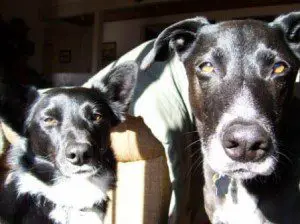 The same is true when working with our dogs.
If rule #1 is … You cannot change how a dog behaves, until you change how she feels.
Then, rule #2 is … As soon as you realize you’re dealing with a fearful dog, DO something about it (especially if there are any kids in your life or in your future).
Yesterday’s dog adoption social media blitz for Charlie, the 9-year-old, fearful border collie is a perfect example of this axiom.
I wish, wish, wish Charlie had gotten the kind of help she needed long before a scary toddler came into her life. I’m not blaming anyone. Truly. Her family has done many good things for Charlie, but now … at age 9, with well-rooted behavior challenges and a few medical issues … Charlie needs someone to step in.
I wish it could be me. BUT, many other things consume my time and energy these days, including Tom’s recent medical scare.
It’s too soon to know if our adoption blitz will help Charlie, but in the meantime, let’s consider her lesson.
Taking action as soon as you realize a dog has fears protects them later, even if big changes come into your life.
[My friend Susan makes a terrific recommendation today for a book about dogs and babies/small kids.]
I remember wondering why on earth Debbie Jacobs (our friend from FearfulDogs.com) asked me in our blog swap what kind of plan I had in place for Lilly, if something happened to me.
Now, I think I understand her question and her concern.
So, what’s your plan? Or, what rules would you add?
Related Reading (from friends of mine):
Caring For Pets in Tough Times
Keeping a Pet When You’re in Crisis
Pet Trusts: Do it for Scooch

The issue of providing homes for our furry ones in general and for fearful dogs in particular in case of emergency or death is so important and not something people really consider in more than an off-handed way. They will already be depressed, confused that you are not there. I can’t tell you how many times the shelter has found daughters, husbands, wives, sons, best friends giving up their relative’s/friend’s dogs that had problems that would make placement of heightened concern. Made me mad and sick all at once. People must formalize agreements to safeguard their dogs. Thanks for your post – it’s a good reminder on several levels:))
Important points and things to consider. I also think it’s important to consider that you may not be able to help your dog with all her fears and you need to plan and have a plan for that also. For example, I don’t think Kona will ever be comfortable with “human heavy/city” environments. I’m not “settled” yet and know I will need to make choices about where I live, etc. around her. I couldn’t live in an apartment, for example.
I want to always work to help her with her fears, but I’ve also learned that “just doing a little more,” may end up being too much. A lot of “action” with a fearful dog may be stopping, taking a break and re-evaluating. In all this, I still need to be OK with the fact that it may not matter how hard I try…
Point taken, AC. There are indeed things we may not be able to change. I think my broader point is this: At the very least, don’t ignore fear.
You are too kind. Trust me, my posts aren’t always short or to the point or eloquent.
In case something happens to us, we have plans in place for both dogs – including money to help with their care and maintenance. Unfortunately, the plans involve different homes for our dogs – but, we’re working on that.