Newsworthy

  • Coughing Dogs

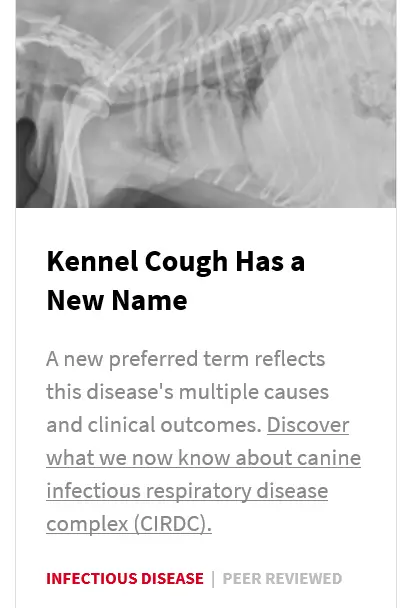
    Sometimes a cough is more than a simple cough. It seems easy to chalk coughing dogs up to so-called “kennel cough,” but veterinary researchers continue to find additional and more complicated ways dogs end up coughing and coughing and coughing for longer than you’d ever expect.

  • |

    Dogs That Bite Other Dogs

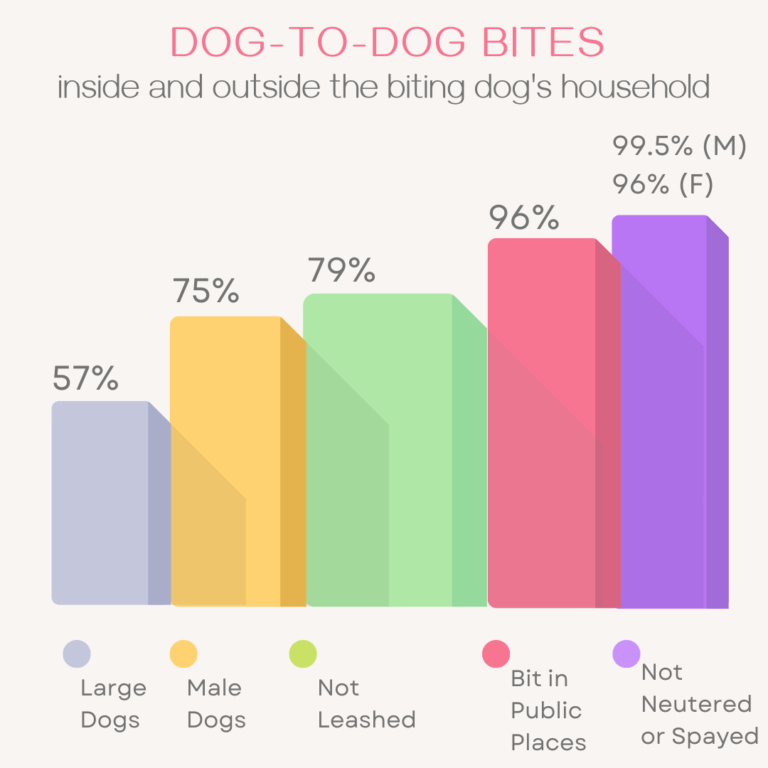
    I’m extra interested in this new study about dogs that bite other dogs. It looked at demographic details of the dogs that bite other dogs, the nature of those bites, and the impact of those bites (such as needing veterinary care). The study did not look into motivations or triggers. As Stanley Coren wrote in his recap of the study, “In other words, attempting to answer the questions who, what, and where, but not why.”

  • |

    Conditional Approval of Drug for Pancreatitis in Dogs

    Breaking News !! Just in time for the 2022 holiday season, when dogs often accidentally get into rich foods and trigger an acute pancreatitis attack, the FDA gave conditional approval to Panoquell-CA1 for 1 year, with the option for 4 additional annual renewals. The drug meant for injection during hospitalization for cases of pancreatitis in dogs has been approved in Japan since 2018. It’s made by Ishihara Sangyo Kaisha Ltd. Below, you’ll find some FAQs about this new medication and canine pancreatitis in general.

  • Dog Anesthesia Risks of Death

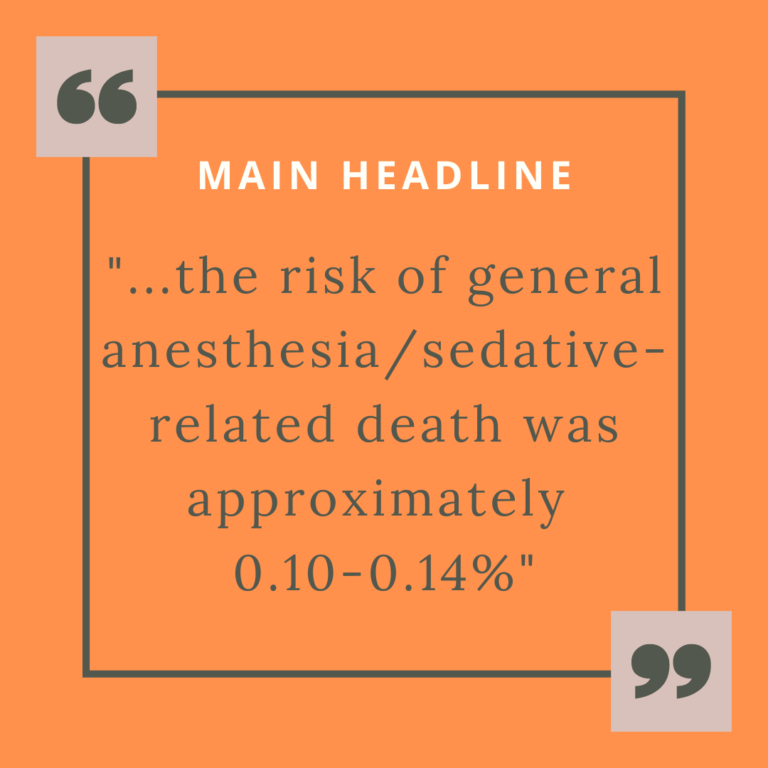
    Researchers looked at more than 157,000 cases of dogs needing a general anesthesia / sedation events between 2010 and 2013 and reported on the dog anesthesia risks of death. The published study includes insights into relative risks based on age, health status, type of procedure (including spay/neuter), and even length of dogs’ noses. It’s meant to be reassuring, but even an experienced Dog Mom like me learned a few things. Don’t miss the context and caution about possible overestimation of risk at the bottom of the page.

  • Veterinary Care Inequities

    I recently researched and wrote a lengthy article for veterinary professionals on veterinary care inequities. It’s NOT YET published, but some important parts got axed in editing. It felt like an issue of fragility, if you understand that term. I argued (and lost). I feel that NOT sharing painful details about the problem only perpetuates inequities many people face when trying to access veterinary care for their pets. So, I alerted some of the people I interviewed about the editing cuts and got permission to share these key points here instead. Who isn’t getting the veterinary care? How common are veterinary care inequities? What barriers do people face? What underlying biases preserve the problem? And, how does this bias and lack of access feel in real life? Let’s take a look.

  • Dog Size and Cancer Risks

    Maybe I’m more distracted after handing off our tiniest-ever foster puppy (Pavé) earlier this week, but this third cancer relative risk paper from Nationwide Pet Insurance is really something to wade through. It discusses dog size and cancer risks — overall as well as for several specific / common canine cancers (bone cancer, splenic cancer, liver cancer, lymphatic cancer, mammary cancer). This may require more than one post. I may do a video at some point, but let’s dig into at least some of it now. Scroll all the way down to see bonus photos and more info about tiny Pavé in case you missed him on our social media feeds.